
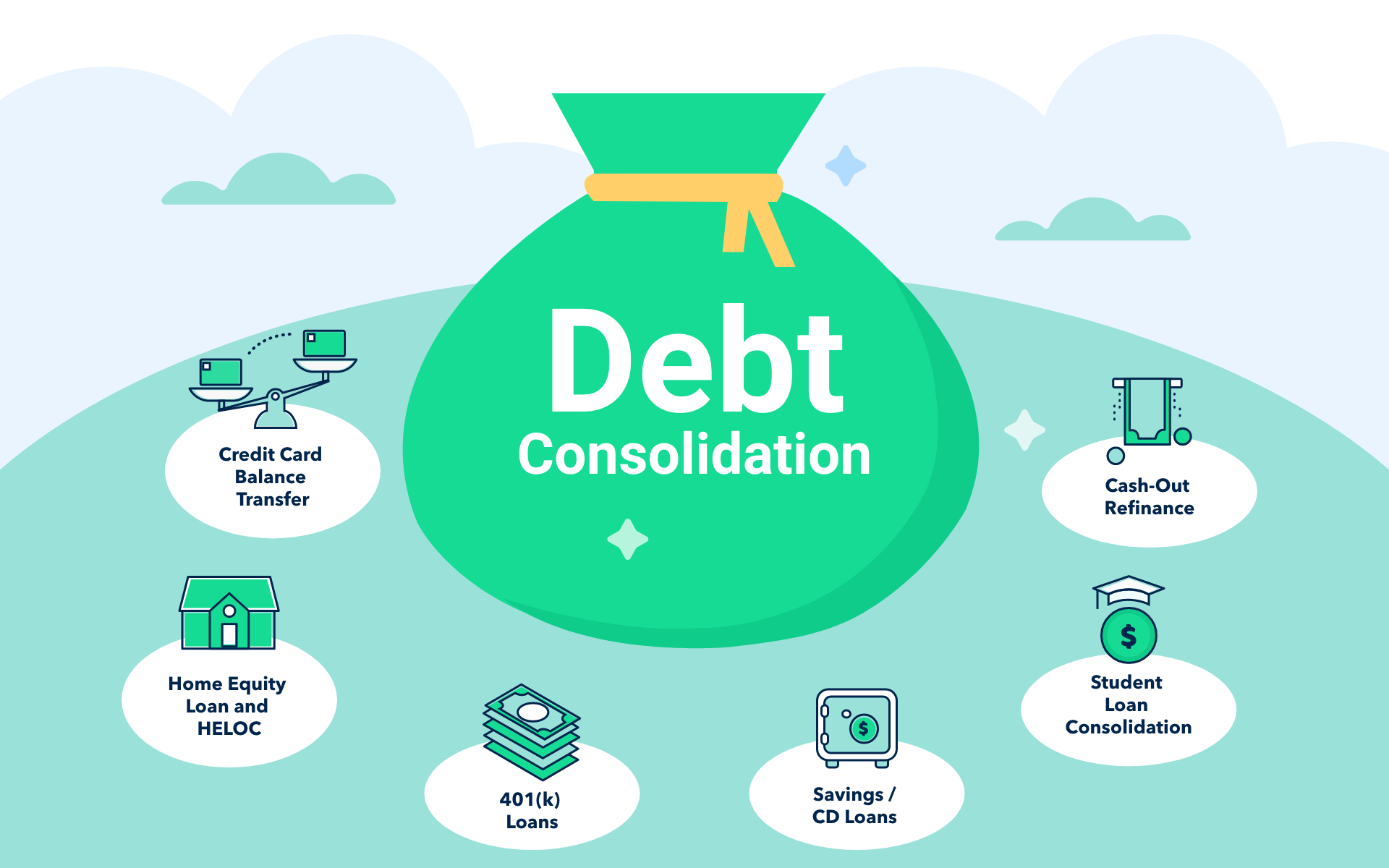
Debt consolidation with a personal loan means taking out one new loan to wipe out several high-interest debts, think credit card balances or medical bills, and replacing them with a single monthly payment. The idea is to simplify your finances and hopefully pay less interest over time.
The math here is everything. It all comes down to the interest rate. If you’re sitting on $15,000 in credit card debt at a 24% APR and you swap it for a personal loan at 15% APR, your monthly interest drops a lot. But if the new loan’s terms aren’t actually better than what you’re currently paying, you’re just moving money around without saving a cent.
Lenders aren’t all the same. Some focus on quick approvals for emergencies, while others look for long-term restructuring for bigger debt loads. You have to read the fine print; otherwise, you might just end up shifting debt from one creditor to another without any real benefit.
Lenders look at more than just your credit score. They’ll check your debt-to-income ratio, how stable your job is, and exactly what you plan to do with the money. While many people use these loans for credit cards, the flexibility of a personal loan means you can technically use it for almost any legal expense.
Evaluating Current Market Interest Rates and Eligibility
Interest rates for consolidation vary a lot depending on your credit profile. According to NerdWallet, users with good credit who pre-qualified for a debt consolidation loan in August 2026 faced an average APR of 19.18%. That number is just a snapshot, though, because rates move constantly along with the economy.
The range is wide. You might see estimated APRs between 5.96% and 35.99%. Getting a low rate is the goal, but a high rate makes the whole math not work. It’s worth noting that checking these rates usually only requires a “soft pull,” so comparing options shouldn’t hurt your credit score.
Your credit score is basically the gatekeeper. Most lenders want to see at least a 600 to even consider you. If your score is lower than that, you’ll likely face fewer options or much higher rates that cancel out any reason for consolidating in the first place. It’s a numbers game.
Lenders aren’t a monolith. Some specialize in high-risk borrowers, while others only want premium clients. For example, a Happen Bank personal loan is often cited as a standout option because of its wide eligibility and accessible terms. You shouldn’t just take the first offer you get; you need to compare a few different places.
| Lender Type | Typical Credit Requirement | Primary Benefit |
|---|---|---|
| Prime Lenders | 700+ | Lowest APRs |
| Mid-Tier Lenders | 640 – 699 | Competitive Rates |
| Subprime Lenders | 600 – 639 | Higher Approval Odds |
Think about the total amount you need, too. Most reputable lenders offer between $3,000 and $100,000. You’ll also have to choose a term, which usually runs from 12 to 84 months. A longer term makes your monthly payment smaller, but you’ll end up paying much more in total interest over the life of the loan.
The Structural Risks of Using Different Loan Types
Not all consolidation is the same. There is a massive difference between an unsecured personal loan and using home equity. A personal loan is generally safer because you don’t put your property on the line. If you can’t pay an unsecured loan, your credit score takes a hit, but you won’t lose your house.
On the other hand, using a home equity loan or a HELOC (Home Equity Line of Credit) is much higher stakes. These often have lower interest rates, but they are secured by your home. As noted by Bankrate, if you use a loan that ties up your equity and you default, you could lose your home. The debt stays attached to the house until it’s fully paid off.
This is where people often trip up. They see a low interest rate and a 30-year term and think it’s a great deal. Even if the monthly payment looks easy, the long-term cost of interest and the loss of equity can be devastating. It’s a trade-off between monthly cash flow and long-term security.
It can also be a dangerous gamble. Many people use a loan to pay off credit cards, then immediately start running up those card balances again. This leads to “double debt”—you have the consolidation loan payment *and* new credit card payments. That is how financial trouble becomes permanent.
To avoid that, you have to fix the spending habits that caused the debt. A loan is a tool, not a cure. It changes the structure of what you owe, but it doesn’t change your behavior. If you use a service like Jetzloan to manage funds or find better terms, you still need a disciplined budget.
Comparing Specialized Lenders and Consolidation Tools
The market is crowded. Some lenders, like Discover, focus on giving you one regular monthly payment to keep things simple. Their personal loans can combine everything from utility bills to credit cards into one predictable line item. This is helpful if you’re currently overwhelmed by dozens of different due dates.
Other providers look for different niches. Some lenders cater to people with bad credit, offering a way forward for those who would be rejected by big banks. These are often more expensive, but they provide a lifeline to people stuck in high-interest cycles. The goal is to use one of these to stabilize, then move to a better loan once your credit score improves.
Lenders use all sorts of metrics to rank themselves. Forbes Advisor, for instance, evaluated 44 different lenders by scoring them on interest rates, loan terms, and other categories. This matters because every lender has a different appetite for risk. A low rate might come with very strict income rules, while another might be more lenient but charge you more for it.
Calculators are standard now, too. Many big banks, such as Wells Fargo, have online calculators so you can see what a fixed monthly payment might look like before you even apply. It’s a good way to run “what-if” scenarios, like seeing if you can actually afford a $20,000 loan at 12% over 60 months.
- Fixed-Rate Loans: The interest rate stays the same for the whole life of the loan. This is the predictable option.
- Variable-Rate Loans: The interest rate can change based on the market. This is riskier for long-term debt.
- Unsecured Loans: No collateral is required. These are standard for personal loans.
- Secured Loans: You have to put up an asset like a car or a home. These usually have lower rates.
The “best” loan is subjective. Someone with a 750 credit score has different needs than someone with a 620. For the first person, the goal is minimizing total interest. For the second, the goal is just finding a rate lower than their current credit cards.
Strategies for Long-Term Debt Management
Getting the loan is only the start. Once the money hits your account and the old debts are cleared, you’re at a psychological crossroads. Your credit card balances now show as zero. That can feel like you’ve suddenly become wealthy, which often leads to more spending. It’s a trap a lot of people fall into.
If you want consolidation to work, you have to treat the new loan as a serious obligation. Since personal loans usually have fixed monthly payments, the schedule is rigid. Missing a payment can wreck the credit score you worked so hard to fix. The predictability is a benefit, but only if you actually pay on time.
You can also use the “snowball” or “avalanche” methods alongside a loan. You might use a consolidation loan to lower the interest on your main debt, then take the money you saved on interest and use the “avalanche” method (paying off the highest interest first) to kill off any remaining smaller balances.
It’s hard work. Managing debt requires you to stop asking “how much can I pay this month?” and start asking “how much can I pay to be free of this forever?” The people who succeed are the ones who use the loan to buy breathing room, not to buy more stuff. They use that window of lower interest to build an emergency fund so they don’t end up back on credit cards.
Don’t consolidate just because you’re panicking over a collection notice. It should be a calculated move where the math actually works in your favor. If you compare rates, understand the difference between secured and unsecured debt, and keep your spending in check, you can turn a mountain of debt into a manageable path to stability.
Quick answers
Which banks offer debt consolidation loans?
Major national banks like Wells Fargo, Citibank, and Chase offer consolidation loans, though credit unions often provide more competitive interest rates for members.
Can I get an instant personal loan for debt consolidation?
While some lenders offer instant pre-qualification, the actual funding usually takes 1-3 business days due to necessary verification processes.
What are the best personal loans for debt consolidation?
The best loans are those with the lowest APR and no origination fees, typically found through credit unions or online lenders like SoFi and LightStream.
Can I get a debt consolidation loan with a 520 credit score?
A 520 score is considered poor, making traditional bank loans unlikely; you may need to look into secured loans or specialized lenders that focus on bad credit.
Are there guaranteed debt consolidation loans for bad credit?
No legitimate lender can guarantee approval, as all reputable providers must evaluate your income and debt-to-income ratio to mitigate risk.